How Sound Supports Steady Moods and Calmer Daily Responses
Many people feel pulled in several emotional directions each day. Stress from work, family, and constant alerts can upset mood and focus. Sound can help guide the nervous system back to a calmer state. Certain rhythms and tones can slow breathing and ease racing thoughts. When used with care, audio tools support steadier emotions and clearer thinking. This page explains how sound choices affect mood, what problems people face, and how to use sound the right way for daily balance.
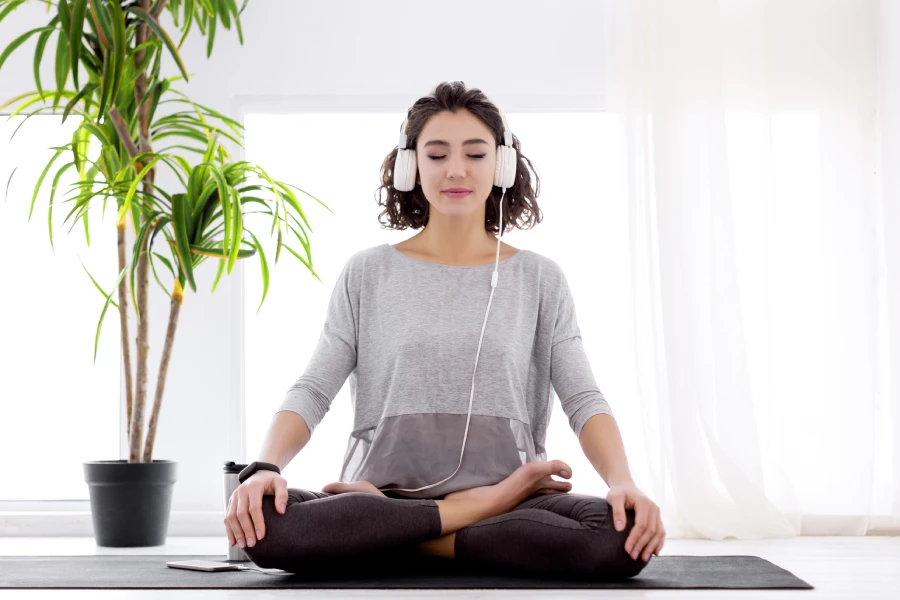
Emotional Benefits You Can Notice Over Time
Many people use meditation music to reduce stress and improve mood control. Slow tempos can lower heart rate and ease tension. Simple melodies support focus during quiet moments. Over time, these effects can help you pause before reacting. That pause supports better choices and calmer responses. Studies from sleep and stress clinics show steady sound routines can improve mood scores and sleep quality within weeks.
How Sound Patterns Influence the Brain and Body
Meditation music works by guiding the brain toward slower wave patterns. These patterns link to calm focus and rest. The body often follows the brain. Breathing slows. Muscles relax. Stress hormones drop. This process happens when sound stays steady and gentle. Sudden changes break focus and reduce benefit. Consistency matters more than volume or complexity.
Common Challenges People Face With Sound Routines
Many people struggle to see results because of poor setup or habits. Loud tracks can cause stress instead of calm. Random playlists break focus. Some expect instant change and quit early. Others use sound only during high stress. These habits limit benefits and cause frustration. Knowing these issues helps you avoid wasted time and effort.

Simple Steps to Start a Steady Sound Practice
A clear process helps you build a habit that lasts. Follow these steps to improve results:
- Choose one quiet space and use it often
- Set volume so speech sounds fade but stay faint
- Use the same track for one week
- Practice at the same time each day
- Stop if you feel discomfort or strain
Best Practices That Support Emotional Balance
Experts suggest small adjustments that improve results without extra effort. These habits protect focus and comfort:
- Use headphones only when needed
- Keep sessions between 10 and 20 minutes
- Pair sound with slow breathing
- Avoid multitasking during sessions
- Track mood changes in a simple journal
Understanding Quality and Safety Standards
There are no strict laws for calming audio, but safety guidance exists. Hearing groups advise keeping volume under 60 percent of device max. Long exposure above that level increases fatigue. Quality tracks avoid sudden spikes and extreme bass. Files should be clear and free from distortion. These standards protect hearing and prevent stress responses.
Cost Factors and Value Over Time
Prices vary from free streams to paid programs. Free options work for testing habits. Paid libraries offer consistent quality and offline use. Higher cost does not always mean better results. Value depends on ease of use and comfort. A small monthly fee can save time and reduce trial frustration. Focus on long term use, not features.
Pros and Cons to Consider Before Choosing Audio Tools
Comparing benefits and limits helps you decide with confidence:
- Pros: easy access, low cost, flexible timing
- Pros: supports calm without drugs
- Cons: results vary by person
- Cons: poor quality sound can distract
Guided Support for Emotional Balance Routines
If you want a clear plan for steady emotional balance, take action today. Located in Atlanta, GA, I provide personal guidance focused on calm sound routines. TRU GODDEZZ offers clear steps built around your daily schedule. Call (470) 607-3042 to discuss a simple starting plan that fits your needs.