How Rhythm, Tempo, and Sound Shape Guest Energy
Event atmosphere depends on how people feel, move, and connect during a gathering. Sound choices guide these reactions from start to finish. Timing, volume, and rhythm can change how long guests stay engaged. Music can calm a room or spark instant movement. When used with purpose, it supports the event goal. This includes social events, private parties, and public celebrations. Planned sound design helps guests feel included. It also supports smooth event flow.
With Energy Control Through Rhythm and Tempo
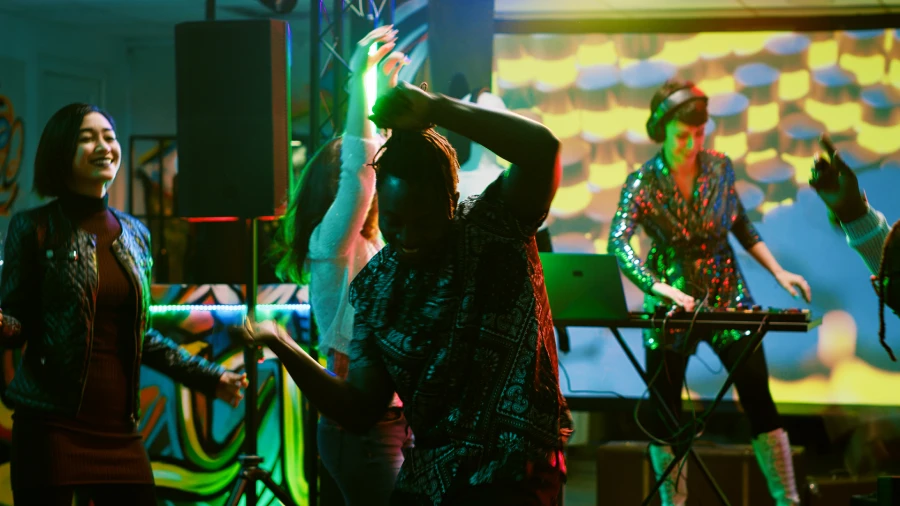
Different beats create different reactions in a crowd. Faster tempos raise heart rates and boost movement. Slower tracks help people relax and talk. Event planners often use dance music to lift mood during peak moments. This choice works well for parties and celebrations. It also helps guests feel connected to the moment. When beats align with the event goal, energy feels natural. Guests respond without being told what to do.
With Emotional Response and Guest Memory
Sound triggers memory and emotion faster than sight. Many guests link moments to specific songs or rhythms. When dance music plays during high points, guests remember those feelings longer. This can improve event recall weeks later. Positive memory increases word-of-mouth sharing. It also helps brand or host reputation. Emotional response builds when sound matches the setting.
With Clear Benefits for Event Engagement
Well-planned sound choices increase guest participation. People stay longer and interact more. Energy stays steady instead of fading early. Event hosts often see higher satisfaction scores. Sound also supports photo and video moments. Guests feel more comfortable expressing themselves.
- Improves guest mood and social comfort
- Encourages movement and shared experience
- Supports event pacing from start to end
- Increases positive memory after the event
With Common Challenges and Sound Balance
Poor sound planning leads to discomfort and confusion. Volume can overwhelm small rooms. Tempo can clash with event purpose. Timing mistakes can kill energy fast. These issues affect guest experience quickly.
- Pros: Strong energy, shared focus, clear mood signals
- Cons: Noise fatigue, poor timing, sound conflicts
With Practical Steps for Atmosphere Planning
Smart planning reduces risk and improves flow. Each step supports a clear event goal. Sound checks should happen early. Adjustments should stay flexible during the event.
- Define the event goal and guest profile
- Choose sound style that fits the space
- Plan tempo changes for key moments
- Test volume at different room levels
- Monitor guest response and adjust live
With Best Practices and Industry Standards
Sound levels should meet local noise rules. Indoor events often stay under 85 decibels. Outdoor events may have curfews. Equipment setup should prevent feedback and distortion. Professional setups include backup systems. Regular equipment testing prevents failure.
- Follow local sound ordinances
- Use quality speakers sized for the venue
- Plan quiet periods to avoid fatigue
- Keep sound clear, not just loud
With Cost Factors and Value Considerations
Sound costs vary by equipment, space, and duration. Larger venues need stronger systems. Longer events raise staffing costs. Quality planning reduces wasted spend. Good sound design improves guest satisfaction. This return often outweighs the initial cost. Budget should match event goals, not trends.
With Your Event Atmosphere Strategy
Located in Atlanta, GA, I help event hosts plan sound that fits purpose and space. TRU GODDEZZ focuses on atmosphere planning that supports guest comfort and energy. Call (470) 607-3042 to discuss event goals and sound strategy. I guide each step with care and clear planning. This approach helps create lasting guest memories.